You’ve decided you need more space. The living room feels cramped; you want somewhere to relax that isn’t the same four walls, and you’ve started looking at what it would actually take to expand the house. Two options keep coming up: a sunroom addition or a traditional living room extension. Both add usable square footage. Both require permits. But they serve different purposes, carry different costs, and suit different lifestyles.
If you’re a Jersey Shore homeowner, the choice is even more layered. You have access to natural light most of the year, proximity to the outdoors matters, and you’re likely thinking about how the space will feel during the shoulder seasons, not just in July. Getting this decision right saves you from a significant renovation that doesn’t fit how you actually live.
Talking through your specific layout with residential sunroom contractors in Jersey Shore early in the process can clarify which direction makes more financial and practical sense before you commit to either path.
What Each Addition Actually Gives You
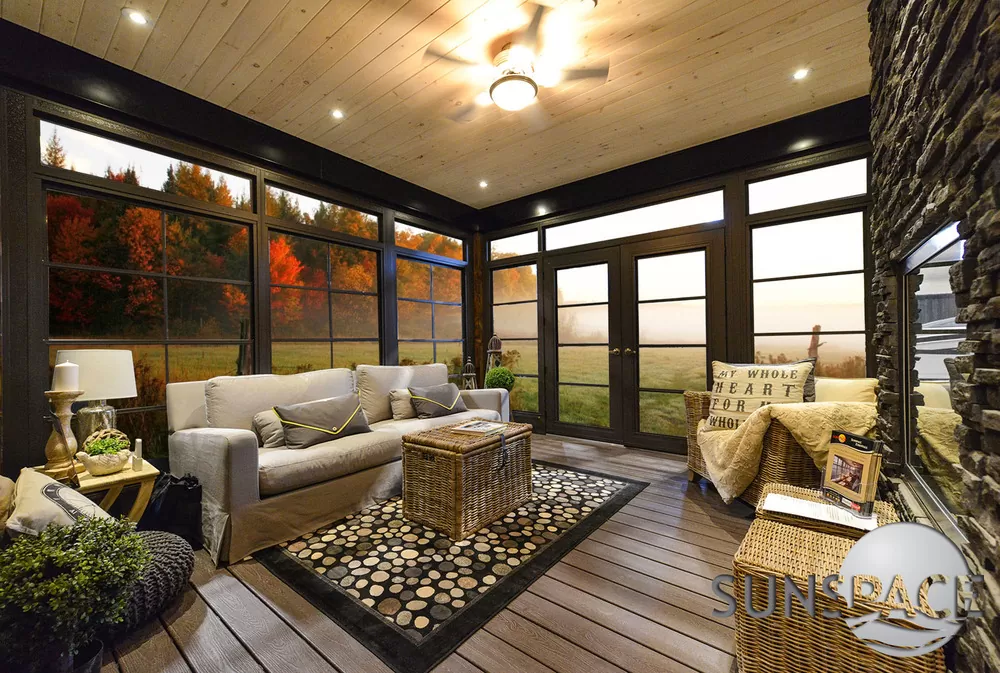
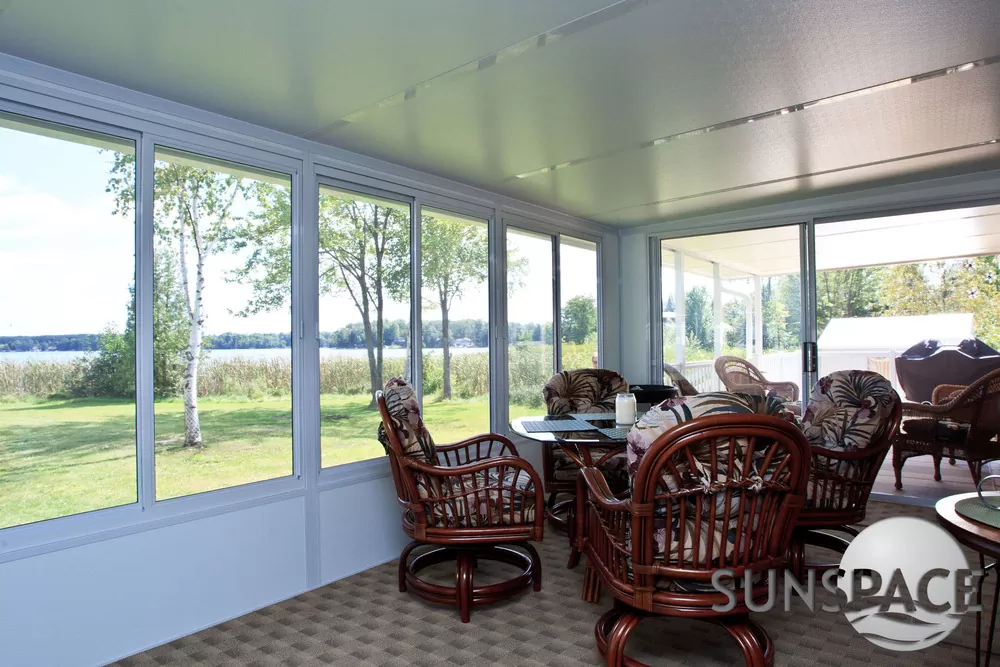
A sunroom is a glass-enclosed room connected to the house, designed to bring in natural light and maintain a connection to the outdoors. Depending on the build type, it can function as a 3-season space (comfortable in spring, summer, and fall) or a true 4-season room with insulation and climate control. Either way, it feels different from the rest of the house. That’s usually the point.
A living room extension is structural. You’re removing an exterior wall, extending the foundation, matching the roofline, and finishing the interior to be indistinguishable from the existing room. When done well, it becomes seamless. A visitor walking in wouldn’t know where the original house ends and the addition begins.
Both count as added square footage. But they deliver that square footage in very different ways.
Cost Differences You Should Know
Cost is usually the first thing people look at, and there’s a meaningful gap here. A traditional room addition on the Jersey Shore typically runs between $150 and $300 per square foot, depending on complexity, foundation requirements, and finishes. A 200-square-foot living room extension can realistically cost $30,000 to $60,000 or more, and that’s before interior finishes like flooring, trim, electrical, and paint.
A 3-season sunroom comes in lower, typically in the $15,000 to $35,000 range for a comparable footprint. A 4-season sunroom with full insulation and HVAC integration closes the gap, often landing between $30,000 and $65,000 installed.
So at the higher end, the two options can reach similar price points. But for most homeowners who want an additional sitting area rather than a formal room addition, a sunroom delivers more usable space per dollar. The real cost breakdown of a sunroom in Toms River gets into the specifics of what drives pricing in this area if you want to dig into the numbers before making any decisions.
Which One Adds More Value to Your Home?
This is where many homeowners assume a room addition wins automatically. In reality, it’s more nuanced. A traditional living room extension can return 50% to 70% of its cost in appraised home value, though that varies by neighborhood, execution quality, and how well it matches the existing architecture.
A quality sunroom addition also adds real value, particularly in markets like the Jersey Shore where outdoor living space is desirable. A 4-season sunroom built to code adds to your home’s livable square footage and is counted as such in an appraisal. A 3-season room adds value too, but typically at a lower rate than a fully conditioned space.
The important point is that neither addition is a guaranteed return on investment. The value depends heavily on how the space is used, how well it’s built, and whether it fits the neighborhood’s price range.
Lifestyle Fit Matters More Than the Numbers
Here’s the question that actually drives this decision for most people: how do you want to use the space?
If you want a room that feels like the rest of your home, where you can watch TV, host family dinners, and use it in January with the heat on, a living room extension is the right call. It’s a permanent, conditioned space that functions exactly like every other room in the house.
If you want a place that feels connected to the outdoors, where natural light is the point, and the view matters, a sunroom fits better. You’re not trying to hide the fact that you’re adjacent to the outside. You’re leaning into it. That’s a different use case, and for Jersey Shore homeowners especially, it tends to get used more consistently because it captures the coastal setting rather than ignoring it.
A few questions worth thinking through:
- Will you use this space in winter? If yes, factor in the cost difference between a 3-season and 4-season sunroom, or consider whether a full addition makes more sense.
- Is natural light a priority? A sunroom brings in significantly more light than a standard room extension with conventional windows.
- Do you want the space to feel like an extension of the house or a destination within it? Both are valid, but they point to different builds.
Permit and Timeline Realities
Both projects require permits in New Jersey, and Ocean County has its own review process. A traditional room addition typically involves more structural review because you’re modifying load-bearing walls and the foundation. Sunrooms, particularly prefabricated systems from manufacturers like Sunspace, often move through permitting faster because the engineering is already documented.
Timeline varies by contractor, scope, and permit queue. A room addition is generally a longer build due to foundation work, framing, roofing, and interior finishing. A sunroom addition, depending on the system and site prep required, can often be completed in less time once permits are in hand.
A Side-by-Side Look
| Factor | Sunroom Addition | Living Room Extension |
| Connection to outdoors | High | Low |
| Natural light | Very high | Moderate |
| Cost range | $15,000–$65,000 | $30,000–$90,000+ |
| Year-round use (3-season) | Spring through fall | Year-round |
| Year-round use (4-season) | Yes | Yes |
| Permits required | Yes | Yes |
| Adds to square footage | Yes (4-season) | Yes |
| Feels like rest of home | No — distinct | Yes — seamless |
Frequently Asked Questions
Does a sunroom count as square footage?
A fully conditioned 4-season sunroom built to code can count toward your home’s livable square footage in an appraisal. A 3-season room typically does not, though it still adds functional space and value.
Which is harder to permit in New Jersey?
Both require permits. A traditional room addition often involves more structural review, especially if foundation work or load-bearing wall changes are involved. Sunrooms with documented engineering from the manufacturer can move through the process more smoothly in many Ocean County municipalities.
Can a sunroom replace a living room addition?
It depends on what you need. A 4-season sunroom can function as a year-round living space, but it will always feel different from a fully enclosed interior room. If seamless integration with the existing home is the goal, a room addition is a better fit.
What’s the biggest mistake homeowners make with this decision?
Choosing based on upfront cost alone. A cheaper 3-season sunroom that doesn’t get used in the months you need it isn’t actually a savings. And a room addition that’s underbuilt or doesn’t match the home’s architecture can cost more to fix than it would have to build the first time correctly.
Does Jersey Shore’s climate favor one option over the other?
The Shore’s mild shoulder seasons make a 3-season sunroom usable for a longer window than in colder inland areas. Many homeowners get 8 to 9 months of use from a well-designed 3-season room here. That’s worth factoring into the comparison.
Get the Right Answer for Your Home
There’s no universal right answer between a sunroom and a room addition. The right choice depends on your budget, how you plan to use the space, and what matters most about the addition’s feel and function.
Sunspace of the Jersey Shore works with homeowners across Ocean County on exactly this kind of decision. Reach out to schedule a consultation and get a clear-eyed recommendation based on your specific home and goals.