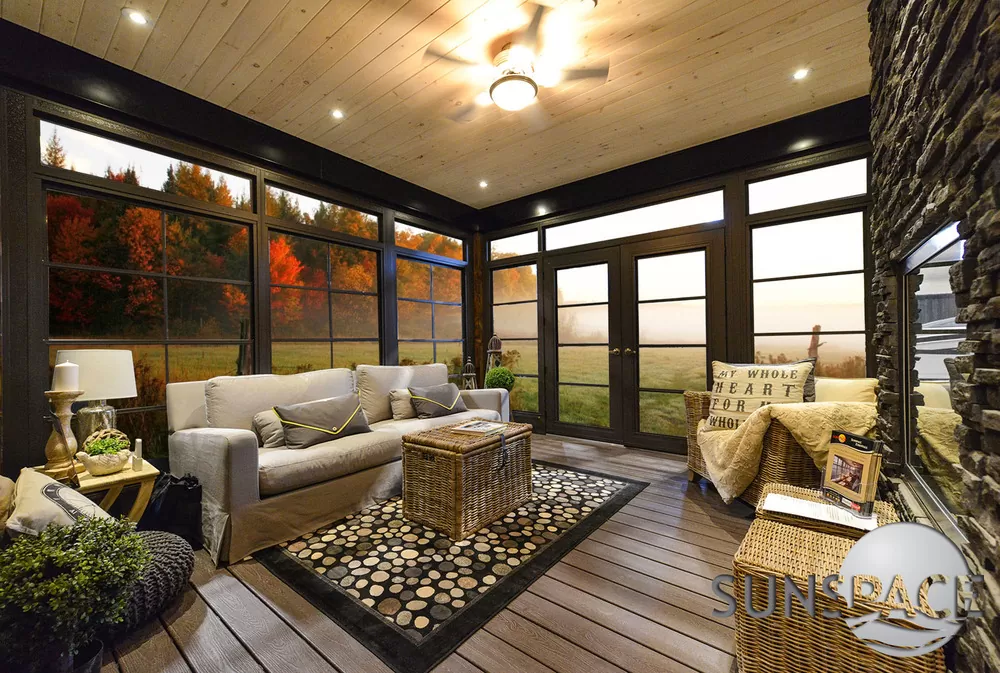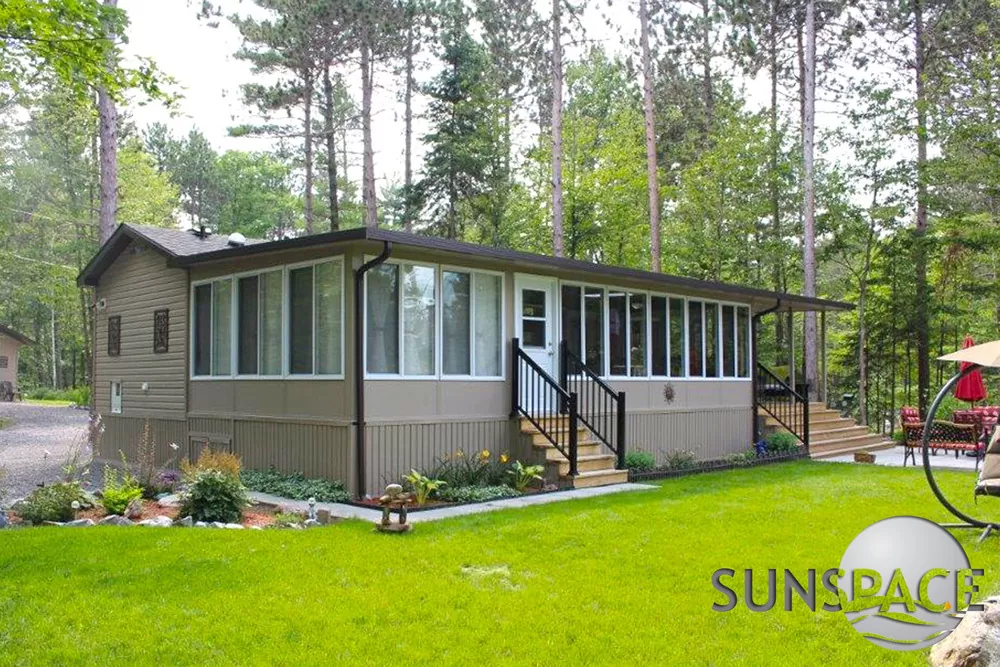
A sunroom is built around natural light. That’s the whole point. But there’s a version of natural light that stops being enjoyable pretty quickly: the kind that makes it impossible to see your screen, turns reading into a squinting exercise, and makes certain seats in the room unusable for hours at a time. Glare is one of the most common complaints sunroom owners have, and it’s especially frustrating because the instinct to fix it, pulling blinds or closing shades, defeats the reason you built the space in the first place.
The good news is that glare and view don’t have to be traded off against each other. There are ways to cut glare significantly while keeping the sight lines open and the room feeling bright. For Jersey Shore homeowners with east or west-facing sunrooms, this is a practical problem with practical solutions.
If you’re not sure which approach fits your specific room layout, a Sunroom consultation in Jersey Shore can help you figure out what’s driving the glare before you invest in a fix.
Why Glare Is Worse in a Sunroom Than in a Regular Room
A standard interior room has walls, and most of its windows face one or two directions. Glare comes from one angle and at predictable times. A sunroom is mostly glass on three or four sides, which means light enters from multiple angles throughout the day. Morning sun hits one face, afternoon sun hits another, and the low winter sun can drive glare horizontally across the entire room.
The glazing type matters too. Single-layer polycarbonate panels or uncoated glass transmit light with minimal filtering. There’s no Low-E coating, no tint, and no meaningful UV reduction. The result is direct, unfiltered light that creates bright spots, hot patches, and significant glare during peak sun hours.
Understanding the direction your sunroom faces and when the glare is worst helps you pick the right solution rather than treating the whole room the same way.
Solutions That Cut Glare Without Closing Off the View
Solar Shades and Interior Sunshades
Solar shades are designed specifically for this problem. Unlike blackout shades or heavy drapes, they use an open-weave fabric that blocks a percentage of incoming light while remaining see-through. A good solar shade at 5% openness, for example, significantly reduces glare and heat while still letting you see the yard, the water, or whatever view your sunroom overlooks.
Interior sunshades designed for sunroom applications, like the Sunspace sunshade system, work on the same principle. They’re custom-fit to the panels, roll or retract cleanly when not needed, and can be positioned on just the panels receiving direct sun rather than closing off the whole room. This is the most targeted solution for glare: you shade the problem panel, leave the others open, and keep the view intact from the rest of the room.
Tinted Glazing
If you’re building a new sunroom or replacing panels, tinted glazing handles glare at the source. ViewFlex vinyl glazing used in WeatherMaster window systems comes in four tint options: clear, smoke gray, dark gray, and bronze. The tinted versions reduce light transmission, which cuts glare and solar heat without adding any interior hardware.
The trade-off is that tinted glazing reduces light across the board, not just during peak glare hours. For south-facing panels that get sun all day, that’s usually a reasonable trade. For north-facing panels with soft, diffused light, clear glazing is almost always the better choice. Mixing tints based on panel orientation is a practical approach in rooms with multiple exposures.
Exterior Shading Structures
Blocking sunlight before it reaches the glass is more effective than managing it after it enters the room. An awning, louvered pergola, or patio cover above or adjacent to the sunroom intercepts direct sun at the source. A louvered pergola is particularly useful because the louvers can be adjusted to block high summer sun while allowing lower-angle winter light through.
This approach also reduces solar heat gain, not just glare, which matters for comfort during Jersey Shore summers. It’s a bigger investment than interior shading, but it addresses both comfort and glare simultaneously and doesn’t require any interior hardware.
Furniture and Seating Placement
This one costs nothing. Moving the seating in your sunroom so that no chair or sofa faces directly into the primary sun exposure reduces perceived glare significantly. Glare is directional. Sitting perpendicular to the light source rather than facing it makes the same light level feel much more comfortable.
It’s not a complete fix, but it’s worth trying before spending money on shading solutions. Sometimes rearranging the room is 80% of the answer.
Anti-Glare Window Film
Window film applied to existing glazing can reduce glare and UV transmission without replacing panels. It’s a lower-cost option compared to new glazing or structural shading. Quality films from brands like 3M or Llumar block a meaningful percentage of solar heat and visible glare while remaining largely transparent.
The limitation is durability. Films in high-UV coastal environments like the Jersey Shore degrade faster than in inland locations, and they can bubble or peel over time. If you’re looking for a long-term solution, tinted glazing or solar shades are more durable options. Film works well as a test or a short-term fix while you plan something more permanent.
Matching the Solution to Your Sun Exposure
Not every sunroom needs the same fix. The direction your room faces determines when glare is worst and which solution fits best.
| Orientation | Peak Glare Time | Best Approach |
| East-facing | Morning | Interior solar shades on east panels |
| West-facing | Afternoon | Exterior awning or louvered pergola |
| South-facing | Midday, all winter | Tinted glazing or fixed exterior shading |
| North-facing | Minimal direct glare | Usually no intervention needed |
| Multiple exposures | Varies through day | Retractable solar shades by panel |
South-facing sunrooms get the most consistent sun year-round and typically need the most glare management. West-facing rooms are often fine in the morning but unusable in the afternoon without intervention. Keeping your sunroom comfortable through changing seasons is part of why choosing the right shading strategy for your specific exposure matters as much as the product itself.
What to Avoid
Heavy curtains and roller blinds solve the glare problem but close off the view entirely. If you’re going to block the view to fix the light, you might as well be in a regular room. The solutions above are specifically chosen because they manage light without eliminating it.
Reflective window film can also cause problems in certain conditions. Highly reflective films can create glare for neighbors or cause heat buildup between the film and the glass in sealed units, which can void warranties on some glazing products. Check compatibility before applying any film to WeatherMaster or Sunspace panels.
Frequently Asked Questions
What’s the best way to reduce glare in a sunroom without blocking the view?
Solar shades with an open-weave fabric are the most targeted solution. They reduce glare and heat while remaining transparent enough to see through. Retractable versions let you shade specific panels during peak glare hours and open them back up when the sun shifts.
Does tinted glass actually help with sunroom glare?
Yes. Tinted glazing reduces light transmission at the source, which cuts glare before it enters the room. The trade-off is lower light levels even when glare isn’t a problem. It works best on south- and west-facing panels with consistent direct sun exposure.
Can I add shading to an existing sunroom without replacing the panels?
Yes. Interior solar shades and window film can both be added to an existing structure without panel replacement. They’re less permanent than tinted glazing but effective for managing glare on a budget.
Is a louvered pergola worth it just for glare control?
A louvered pergola is a significant investment if glare is the only problem. But if you’re also dealing with heat buildup and want to extend the comfortable hours in the room, it addresses both issues simultaneously and adds usable outdoor space in the process.
Does the direction a sunroom faces really change what solution I need?
Significantly. A north-facing sunroom rarely needs glare intervention. A west-facing room may only need shading on the west wall. A south-facing room needs a more comprehensive approach because it gets direct sun for most of the day across all seasons.
Get the Right Fix for Your Sunroom
Glare doesn’t have to mean giving up the view. The right shading approach, matched to your room’s orientation and how you use the space, keeps the light enjoyable without turning your sunroom into a dark box.
Sunspace of the Jersey Shore helps homeowners across Ocean County work through exactly these kinds of comfort decisions. Reach out to schedule a consultation and get a clear recommendation for your specific space.