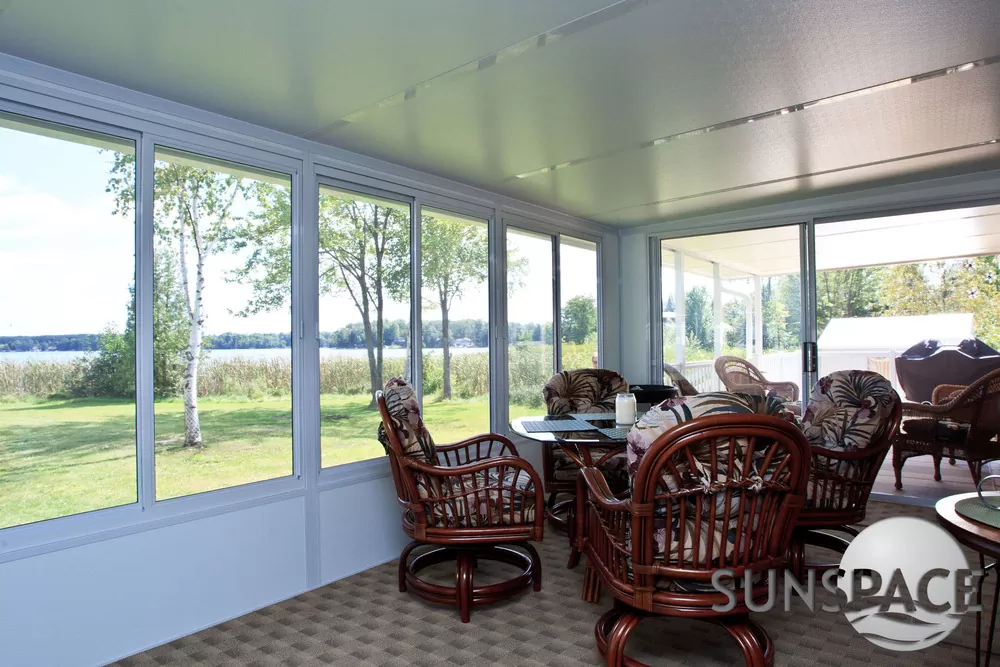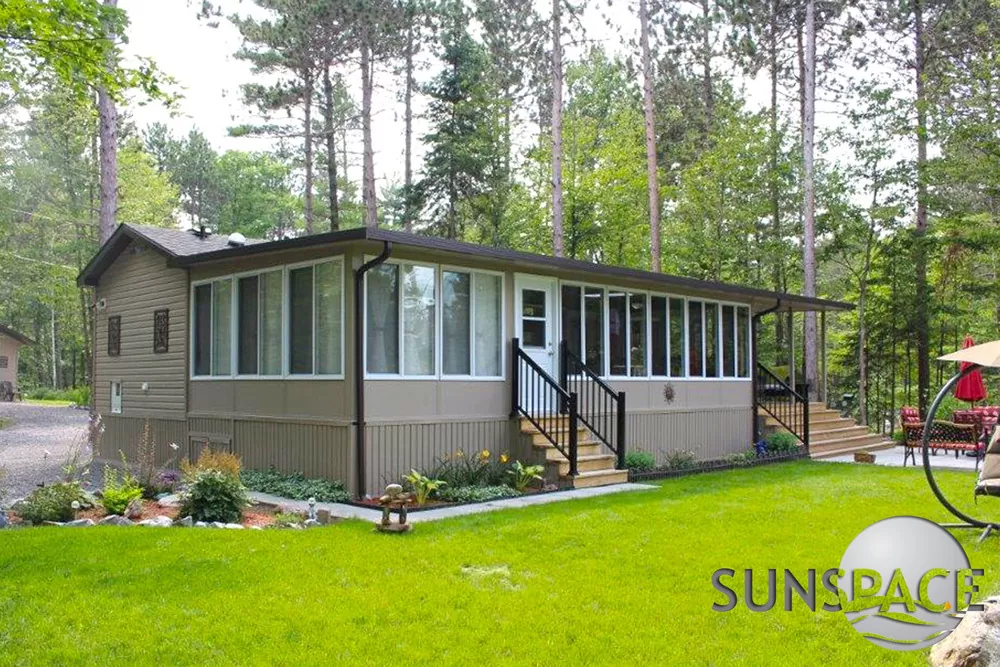
If you’ve ever walked into your sunroom on a cold morning and found the windows dripping or the frames damp, you’ve already dealt with condensation. It’s one of the more frustrating parts of owning a sunroom in a coastal climate, and it’s easy to assume something is wrong with the structure. Most of the time, though, condensation is a physics problem, not a construction defect. And once you understand what’s causing it, preventing it becomes straightforward.
This is especially relevant for Jersey Shore homeowners. The combination of ocean humidity, mild-but-damp winters, and temperature swings between day and night creates ideal conditions for condensation to form inside a sunroom. Getting it under control protects your investment and keeps the space comfortable well into the colder months.
If you’re seeing persistent moisture issues and aren’t sure whether it’s a ventilation problem or something structural, a quick conversation with sunroom builders in Jersey Shore can help you rule out the more serious causes before spending money on fixes.
Why Condensation Forms in a Sunroom
Condensation happens when warm, humid air comes into contact with a cold surface and the moisture in that air turns to liquid. In a sunroom, the glass panels and aluminum frames get cold fast when outdoor temperatures drop. When the warmer, moister interior air touches those surfaces, you get water droplets.
A 3-season sunroom is more prone to this than a 4-season room because it lacks insulation and a connection to your home’s heating system. The interior temperature tracks closely with the outdoor temperature, which means surfaces stay cold longer and the conditions for condensation persist through more of the day. A 4-season sunroom with insulated panels and Low-E glass significantly reduces the problem because the interior surface of the glazing stays warmer.
That said, even well-built sunrooms can see some condensation during particularly humid coastal winters.
How to Reduce Condensation in a 3-Season Sunroom
Control Humidity Inside the Space
The most direct fix is reducing the amount of moisture in the air inside the sunroom. If the air is less humid, there’s less moisture available to condense on cold surfaces.
A few practical ways to do this:
- Keep plants out of the sunroom during winter. Plants release moisture through transpiration, and a room full of them during cold weather creates a constant source of humidity.
- Avoid using the sunroom for laundry drying or any activity that adds moisture to the air.
- Run a small dehumidifier during the coldest months. You don’t need a large unit. A compact dehumidifier set to maintain 40% to 50% relative humidity is usually enough to make a noticeable difference.
Improve Air Circulation
Stagnant air is more prone to condensation than moving air. When air circulates, it’s less likely to settle on cold surfaces long enough to drop its moisture. A small fan running on low can help keep air moving even when the sunroom is closed up for winter.
If your sunroom has WeatherMaster windows, cracking them slightly during mild winter days lets moisture escape before it builds up. The key is balancing ventilation with temperature. You don’t want to open the room fully on a cold day, but a small gap during the warmer part of the afternoon can help the space breathe.
Add a Low-Output Heat Source
One of the most effective ways to reduce condensation is to keep the surface temperature of the glass and frames from dropping too far. A cold surface condenses more moisture than a slightly warmer one. A low-output infrared heater or a small electric panel heater running on a timer during the coldest hours of the night can raise the ambient temperature enough to reduce the temperature differential between the air and the glazing surfaces.
This doesn’t mean heating the sunroom to living room temperatures. Even a modest 5 to 10-degree increase in the overnight low can meaningfully reduce morning condensation.
Check the Seals and Drainage
Sometimes what looks like condensation from the interior is actually moisture infiltrating from outside through gaps in the framing or weep holes that are blocked. Check the perimeter where the sunroom connects to the house. If caulking is cracked or gaps have opened up, exterior moisture can track inside and create problems that look like condensation but aren’t.
WeatherMaster and Sunspace panel systems have weep holes designed to drain any water that enters the track system. If these are blocked by debris, water can pool at the base of the panels. Clearing them out is a straightforward seasonal maintenance task. Keeping up with coastal sunroom maintenance covers this and a handful of other easy checks that protect the structure year after year.
How a 4-Season Sunroom Handles Condensation Differently
If you’re dealing with severe or persistent condensation and your sunroom is a 3-season build, it’s worth knowing what the 4-season alternative actually does differently.
A 4-season sunroom uses insulated wall panels with high R-values, thermally broken frames, and double-pane Low-E glass. The Low-E coating reflects heat back into the room rather than letting it escape through the glass. The result is that the interior glass surface stays significantly warmer than in a 3-season room, which dramatically reduces the temperature differential that causes condensation.
It won’t eliminate condensation entirely in all conditions, but it reduces it substantially. If you find yourself fighting condensation every winter despite controlling humidity and adding supplemental heat, that’s a sign the building envelope of your current sunroom is working against you. The cost difference between a 3-season and 4-season sunroom is worth revisiting in that context, because the ongoing comfort and maintenance costs of a 3-season room in a humid coastal climate factor into the real comparison.
What Not to Do
A few common responses to condensation actually make things worse.
Don’t seal the sunroom completely airtight. It feels logical to stop cold air from getting in, but without any air exchange, humidity builds inside the space and has nowhere to go. Some ventilation is always better than none.
Don’t ignore persistent pooling at the base of panels or frames. Standing water accelerates corrosion on hardware and can work into the connection point between the sunroom and the house over time. Wipe surfaces down when you see pooling and investigate whether weep holes or drainage channels are blocked.
Don’t assume a little condensation means the sunroom was built incorrectly. Some moisture on a cold morning is normal in a coastal climate. The goal is managing it to a level that doesn’t cause damage or discomfort, not eliminating every trace of it.
A Quick Reference for Condensation Control
| Problem | Likely Cause | Fix |
| Morning drips on glass | High indoor humidity meeting cold surface | Dehumidifier, reduce moisture sources |
| Pooling at panel base | Blocked weep holes | Clear drainage channels |
| Frames consistently damp | Poor air circulation | Add fan, allow brief ventilation |
| Moisture at wall junction | Failed caulking or seal | Inspect and recaulk perimeter |
| Persistent condensation through winter | Uninsulated 3-season glazing | Supplemental heat, or evaluate 4-season upgrade |
Frequently Asked Questions
Is condensation in a sunroom normal?
Some condensation on cold mornings is normal in any glass-heavy structure, especially in a coastal climate like the Jersey Shore. The concern is persistent pooling, dripping, or moisture that sits long enough to cause damage to frames, flooring, or the connection to the house.
Will a dehumidifier actually help with sunroom condensation?
Yes, in most cases. Reducing indoor relative humidity to 40% to 50% lowers the amount of moisture available to condense on cold surfaces. It’s one of the most cost-effective fixes for a 3-season room.
Does Low-E glass prevent condensation?
It reduces it significantly. Low-E glass keeps the interior surface warmer by reflecting heat back into the room, which narrows the temperature gap that causes condensation. It’s standard in 4-season sunroom builds and one of the meaningful differences from 3-season construction.
Can I use my sunroom in winter if it has condensation issues?
Yes, with some management. A dehumidifier, a small heat source, and keeping the space free of high-moisture activities will usually make the room usable. Just wipe down surfaces regularly and keep an eye on drainage points.
Should I be worried about mold from sunroom condensation?
If moisture is sitting on surfaces for extended periods, mold is a real risk, particularly on wooden trim or fabric furniture left in the space. Managing humidity and wiping down wet surfaces regularly is the best prevention. If you’re seeing mold growth, it’s a sign the condensation problem has been ongoing long enough to need a more systematic fix.
Keep Your Sunroom Comfortable All Winter
Condensation is manageable. The right combination of humidity control, air circulation, and a modest heat source handles the problem for most Jersey Shore homeowners without major expense or structural changes.
If you’re dealing with something more persistent or you’re not sure whether the issue is condensation or infiltration, Sunspace of the Jersey Shore can take a look and give you a straight answer. Reach out to schedule a consultation.