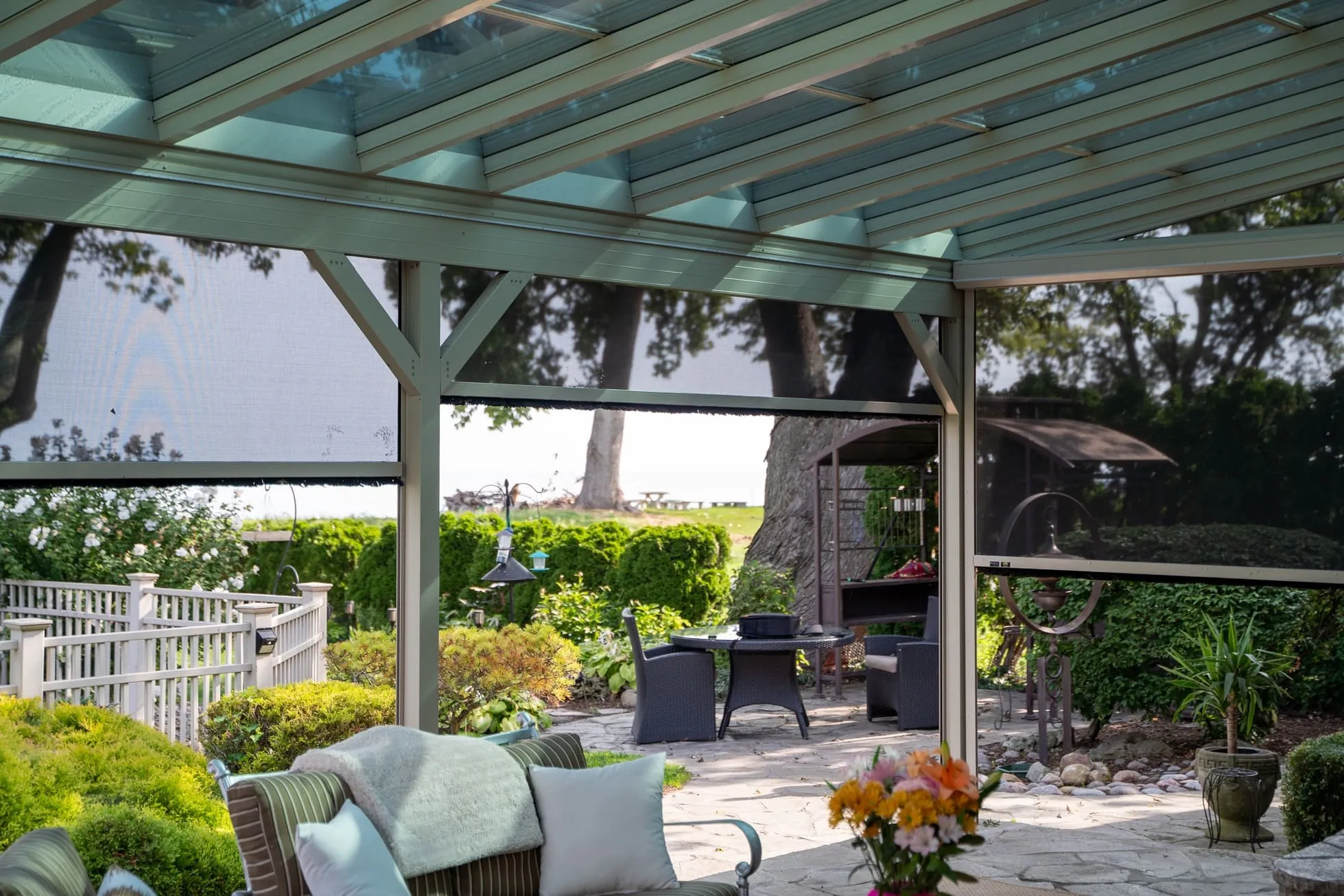
Motorized retractable screens are one of those upgrades where the price range is genuinely wide, and the number you see first online rarely matches what you’ll actually pay for a quality, professionally installed system. If you’ve been searching for a ballpark and finding everything from $500 DIY kits to $10,000 professional installations, that spread isn’t a mistake. It reflects real differences in system quality, fabric type, opening size, and what’s included in the installation.
This article breaks down what drives motorized screen costs in New Jersey, what a realistic installed price looks like for a residential patio or deck, and what separates a system worth buying from one that’ll give you problems within a season or two.
If you want a number specific to your opening before reading further, speaking with a Sunroom installation contractor in Jersey Shore who installs these systems regularly will get you a more accurate figure than any general range.
What Determines the Cost of a Motorized Retractable Screen
No two installations are priced the same because no two openings are the same. Several factors move the number significantly in either direction.
Opening Size
This is the biggest cost driver. Screen systems are custom-manufactured to fit the exact dimensions of your opening, and more material means higher cost. The Sunspace Retractable Screen System accommodates openings from 24 inches wide up to 276 inches wide and up to 168 inches tall. A single screen covering a standard 8-foot opening costs considerably less than one spanning a 20-foot-wide deck bay.
If your space has multiple openings, each one is a separate unit with its own material and installation cost. A covered porch with three 6-foot bays, for example, is three separate screens.
Manual vs. Motorized
Manual systems use the same guided track and fabric but are operated by hand rather than by motor. They cost less upfront. Motorized systems add the motor unit, wiring, and control hardware, which increases the price but also the daily usability of the screen. For most homeowners with larger openings, the motorized option gets used far more consistently because operating it takes almost no effort.
Fabric Type
The fabric you choose affects both cost and performance. TuffScreen and SunTex options are generally the most accessible price points. Sheerweave and Soltis 502, which offer higher privacy and wind resistance respectively, tend to sit at the upper end of the fabric cost range. The performance difference is real, so the right fabric for your exposure and priorities matters more than choosing the lowest-cost option.
Smart Home Integration
Basic motorized control through a handheld remote or wall switch is included in a standard motorized installation. If you want integration with Amazon Alexa, Google Home, or a broader smart home automation system, that adds to the cost, though not dramatically for most standard setups.
Installation Complexity
A straightforward installation on a standard covered patio with easy access to electrical is the simplest scenario. Installations that require running new electrical, working around complex framing, or covering unusually tall or wide openings take more time and cost more to complete correctly.
Realistic Cost Ranges for New Jersey Homeowners
Installed pricing for a professionally supplied and installed motorized retractable screen system in New Jersey generally falls in the following ranges:
| Opening Type | Approximate Installed Range |
| Single small opening (under 8 ft wide) | $1,500 – $3,000 |
| Single mid-size opening (8–14 ft wide) | $3,000 – $5,500 |
| Single large opening (14–23 ft wide) | $5,500 – $9,000+ |
| Multiple openings (full porch or patio) | $8,000 – $20,000+ |
These ranges reflect professional-grade systems with proper installation. They assume a motorized configuration. Manual systems run roughly 20% to 30% less per unit for the same opening size.
DIY or builder-grade screen systems exist at lower price points, but they use different hardware, lighter fabric, and typically don’t include a guided track system. The result is a screen that billows, gaps at the edges, and often fails within a few seasons in a coastal environment like the Jersey Shore.
What’s Included in a Professional Installation
When you get a quote from a reputable installer, a few things should always be included. Knowing what to look for helps you compare quotes accurately.
A complete installation includes:
- Custom measurement of each opening
- Custom-manufactured screen unit sized to your exact dimensions
- Guided track system on both sides of the opening
- Motor unit and control hardware (for motorized systems)
- Wiring and any necessary electrical connections
- Professional installation with hardware secured to existing framing
- Testing and walk-through of the control system
- Manufacturer warranty on materials and components
What’s sometimes quoted separately or excluded from lower-cost bids: electrical work if your space doesn’t have existing access near the installation point, additional framing if the existing structure needs reinforcement, and smart home hub setup if you’re integrating with a whole-home automation system.
Ask specifically what the quote includes before comparing numbers.
Manual vs. Motorized: Is the Upgrade Worth It?
For a small, occasionally used opening, manual operation is perfectly reasonable. You extend the screen by hand when you need it and retract it when you don’t. It works.
For a large patio opening, a porch with multiple screens, or any situation where you’ll be extending and retracting daily during peak season, motorized is significantly more practical. The cost difference per unit is real but not dramatic, and the daily convenience factor tends to make the screens get used far more consistently. A manual screen that’s inconvenient to operate often ends up left down permanently or never used at all, which defeats the purpose.
For Jersey Shore homeowners who want to respond quickly to changing conditions, whether that’s a line storm building or the sun hitting the deck at 3 PM, motorized control is worth the additional cost.
How Motorized Screen Cost Compares to Other Outdoor Upgrades
It helps to put the investment in context alongside the other outdoor living upgrades homeowners in New Jersey typically consider.
A motorized retractable screen system sits at a lower price point than a full screen room or sunroom enclosure while solving many of the same day-to-day comfort problems: sun, insects, and wind. It doesn’t add conditioned square footage to your home, but it also doesn’t require a permit in most cases and can be installed without structural changes to the existing space.
Compared to a pergola with a louvered roof, motorized screens address different problems. A pergola handles overhead sun and rain. Screens handle the sides: bugs, lateral wind, and privacy. Many homeowners combine the two for complete coverage.
Compared to a patio cover, which addresses rain and overhead sun, screens again work the perimeter. They’re complementary systems rather than alternatives.
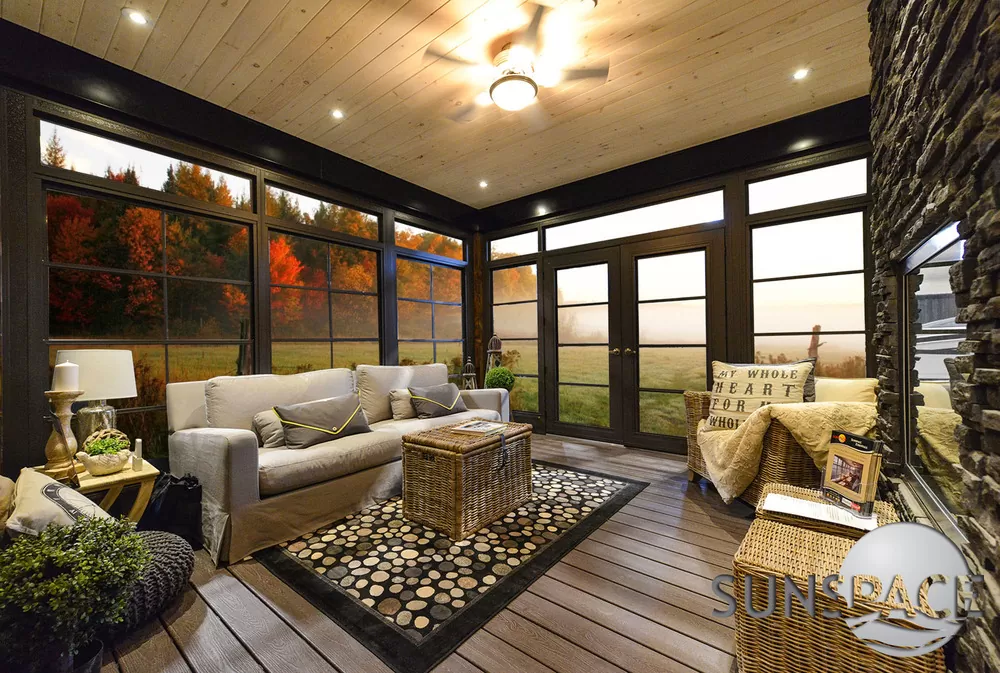
If you’re trying to decide between a screen system and a more permanent enclosure, understanding what’s involved in converting a screened porch to a 3-season sunroom gives you a clear picture of what the next step up in commitment and cost looks like.
What to Watch Out For with Low-Cost Screen Systems
A few things tend to separate a quality installation from one that causes regret within a season.
No guided track system. A screen without side tracks billows, gaps, and provides inconsistent insect and wind protection. The guided track is essential for the system to perform the way it’s supposed to.
Lightweight fabric not rated for coastal exposure. Builder-grade screen fabric degrades faster in salt air and UV exposure. The difference between a fabric like Soltis 502, which is rated for very high wind and durability, and a basic screen fabric shows up within a few seasons in a Shore environment.
Non-corrosion-resistant hardware. Standard zinc or aluminum hardware corrodes faster in salt air than stainless steel. A system with stainless steel components and rust-proof aluminum framing lasts significantly longer in a coastal environment without requiring hardware replacement.
No warranty. A quality system comes backed by a manufacturer warranty. If a quote doesn’t mention one, ask specifically what coverage is included.
Getting an Accurate Quote for Your Space
The most reliable way to get a number that reflects your actual project is an on-site consultation. Opening dimensions, existing electrical access, the number of openings, and the fabric and control configuration you choose all affect the final price in ways that an online estimate can’t account for accurately.
Before a consultation, it helps to have a rough sense of your priorities. Are you primarily dealing with insects, afternoon sun, wind, or privacy? That answer drives the fabric recommendation and helps keep the conversation focused on what actually matters for your space.
Frequently Asked Questions
How much does a single motorized retractable screen cost installed in New Jersey?
A single motorized screen for a mid-size residential opening (8 to 14 feet wide) typically runs between $3,000 and $5,500 installed in New Jersey, depending on fabric type, motor configuration, and installation complexity.
Is a manual screen significantly cheaper than a motorized one?
Generally, 20% to 30% less per unit for the same opening size. For a single smaller opening where occasional manual operation is fine, the savings can make sense. For larger or multiple openings, motorized is usually worth the difference.
Does screen size affect the price significantly?
Yes, significantly. A 6-foot-wide opening and a 20-foot-wide opening use very different amounts of material and have very different installation complexity. Always get a quote based on your actual measurements rather than an average.
Are there ongoing maintenance costs?
Minimal. The main tasks are periodic fabric cleaning and clearing track channels of debris. Somfy motors are designed for long service life, and the aluminum and stainless steel construction handles coastal conditions well without frequent upkeep.
Does a motorized screen add value to a home?
It adds functional value to the outdoor space and can be a meaningful selling point for buyers who want a usable outdoor area. It doesn’t typically add to the appraised square footage the way an enclosed sunroom does, but it makes the existing outdoor space more attractive and usable year-round.
Do I need a permit for a motorized retractable screen in New Jersey?
In most cases, no. Because the system doesn’t involve structural changes or permanent enclosure, it typically doesn’t trigger a permit requirement. That said, permit rules vary by municipality, so confirming with your local building department or with the installer before the project begins is always a good idea.
Get a Quote Based on Your Actual Space
Motorized retractable screens cover a wide price range because the spaces they go into vary just as widely. The best way to know what your project will actually cost is to get a quote based on your specific opening dimensions, fabric priorities, and control preferences.
Sunspace of the Jersey Shore provides free on-site consultations for motorized screen installations throughout Ocean County. Reach out to schedule a visit and get a clear, itemized number before making any decisions.