If you’ve been researching patio covers for your Jersey Shore home, you’ve likely landed on two main contenders: acrylic or solid insulated. Both protect your outdoor space from rain, wind, and UV rays. Both are well-built systems with real staying power in a coastal environment. But they feel completely different to sit under, and the right choice depends on how you want to use the space rather than which system is objectively superior.
This article gives you a direct comparison so you can make a clear decision. As Sunroom Contractor Jersey Shore professionals who install both systems throughout Ocean County, we want to give you the honest picture rather than steer you toward one or the other.
Not sure which system fits your home? Reach out to our team for a straight recommendation based on your specific space and goals.
The Core Difference in Plain Terms
Here’s the simplest way to frame it before getting into the details.
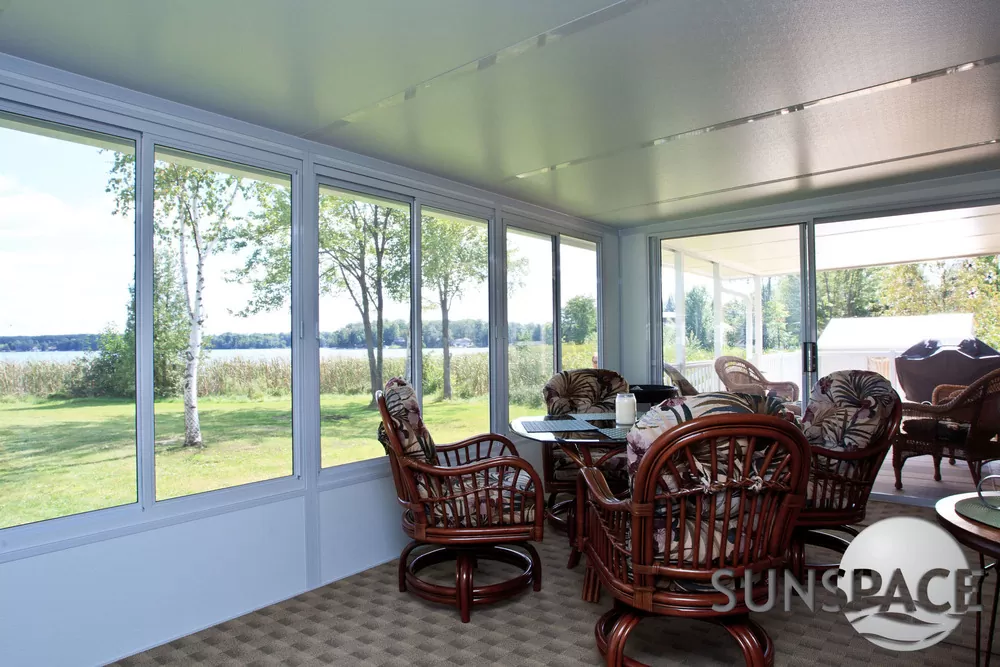
An acrylic patio cover lets natural light through. You’re covered and protected from rain and UV rays, but the space still feels bright and open, almost like sitting under a skylight.
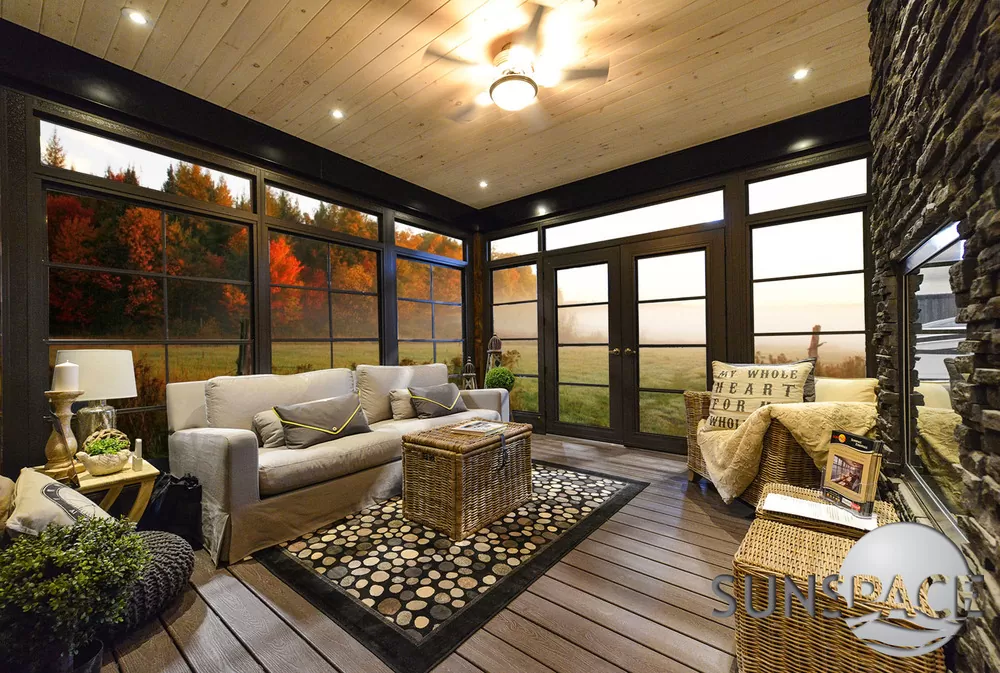
A solid insulated patio cover blocks all light. You’re in full shade with a solid roof overhead. The space feels more like a room and less like an outdoor area.
Everything else in the comparison flows from that single distinction.
What the Acrylic System Does Well
The Sunspace acrylic system maintains high light transmission across the life of the product. Acrylic sheets are 100% naturally UV stable, filter and soften harsh light without blocking it, and Sunspace guarantees 90% light transmission and clarity for 30 years.
Beyond light, the acrylic system is built for real coastal conditions:
- Non-shattering safety glazing that handles hail and storm-driven debris
- Proven hail protection; the panels are specifically engineered for it
- Patented condensate control that channels moisture away rather than dripping into the space
- Heavy snow load rating with roof pitch engineered per site
- Integrated extruded aluminum gutter system standard on every installation
- Strong enough to hold fans, lights, and plants overhead
Tint selection matters more than most homeowners expect, particularly on south and west-facing patios on the Shore where afternoon sun runs intense. Here’s how the four acrylic tints perform:
| Tint | Light Transmittance | Heat Blocking |
| Clear | 85% | 15% |
| Bronze | 55% | 45% |
| Solar Cool | 40% | 60% |
| Heatstop | 50% | 75% |
For a south-facing Jersey Shore patio in July, Solar Cool or Heatstop make a meaningful difference in how comfortable the space stays. For a north-facing patio where you want maximum brightness, clear is the right call.
What the Solid Insulated System Does Well
The solid insulated system takes a completely different approach. Instead of transmitting light, it blocks it entirely. Panels use high-density foam core construction with aluminum skins laminated on both sides, available in two thicknesses: 4″ (R-16) and 6″ (R-24). Thickness is selected based on your roof projection, expected snow load, and the R-value your application requires.
The insulated system’s strengths are substantial:
- Full shade with no light penetration, noticeably cooler under the cover on hot summer days
- Better thermal performance: the foam core retains less heat in summer and more warmth on cool fall evenings
- Mono-slope or gabled roof options so the cover’s roofline can match your home’s architecture
- Skylights installed with ease for homeowners who want to bring some light in selectively
- OSB exterior option for applications where standard shingles on the exterior are preferred
- Panels up to 24′ long and 48″ wide for larger patio spans
- Strong enough to support fans, lights, and plants, same as acrylic
- Internal water trough system with extruded aluminum gutters and fascia standard
Aluminum stucco colors, white, driftwood, and bronze, all work well with the typical coastal home palette throughout the Shore area.
Why Coastal NJ Changes the Material Conversation
Both systems hold up well on the Jersey Shore, but it’s worth being specific about why, because not every patio cover on the market is built for what coastal conditions actually demand.
Salt air is the main factor. It accelerates oxidation on exposed metal components year-round, even when you’re not using the space. The Sunspace acrylic and insulated systems both use extruded aluminum rather than roll-formed aluminum. Extruded aluminum is denser, more dimensionally stable, and holds up significantly better against the corrosion that salt air drives over time.
The internal water-trough system on both cover types channels moisture away before it reaches the fascia. On a coastline where Atlantic storms and heavy summer rain events are routine, this matters more than a basic surface drainage approach.
Snow and wind load is the other coastal factor. Ocean County sees real snow accumulation and significant Atlantic wind exposure in fall and winter. Both the acrylic and insulated systems are engineered for these loads per site, not built to a generic inland standard. The 6″ R-24 insulated panel offers stronger structural rigidity under high wind and heavy snow in addition to its higher R-value, which is why it’s often the right call for larger roof projections near the water.
Side-by-Side Comparison
| Feature | Acrylic | Solid Insulated |
| Light transmission | Up to 85% (clear tint) | None |
| Full shade | No | Yes |
| UV filtering | Yes | Yes |
| Hail protection | Yes | Yes |
| Snow load rated | Yes | Yes |
| Fan and lighting support | Yes | Yes |
| Thermal performance | Moderate | Higher (R-16 to R-24) |
| Condensate control | Patented system | Internal water trough |
| Roof style options | Mono-slope | Mono-slope or gabled |
| Skylight compatibility | Inherent (translucent panels) | Skylights added with ease |
| Tint options | 4 tints | N/A |
| OSB exterior option | No | Yes |
| Warranty | 30 years against yellowing | Manufacturer warranty |
| Salt air suitability | Strong | Strong |
Where Each System Makes the Most Sense
The question isn’t which system is better overall. It’s which one suits your specific patio and how you use it.
Acrylic makes more sense when:
- Natural light is a priority for how the space feels and functions
- You have a view you don’t want blocked by a solid roof
- Your patio faces north or east and doesn’t receive intense afternoon sun
- You want the covered space to feel connected to the outdoors
- You enjoy plants under the cover and want them to get light
Solid insulated makes more sense when:
- Full shade is the primary goal, particularly on south or west-facing patios
- You plan to add ceiling fans, outdoor lighting, or a wall-mounted TV
- You want the space to feel like a room rather than an outdoor area
- You’re considering a heater for fall and winter use
- Heat gain in summer is a real concern, and you want maximum control
If you want both light and shade in different zones of the same patio, that’s what the hybrid system is built for. It combines acrylic and insulated panels in the same roof structure so you can specify where each type goes. It’s worth knowing that option exists before ruling out either system entirely.
A Note on Shared Structural Quality
One thing worth being clear about: both systems share the same underlying structural integrity. The extruded aluminum frame, internal water trough, heavy-duty gutters and fascia, and engineering for snow and wind load are consistent across acrylic and insulated covers. You’re not trading durability when you choose one over the other. The decision is purely about light transmission versus shade, and everything else follows from that.
If you’re still weighing a patio cover against other outdoor living options entirely, this comparison of sunroom vs. deck ROI in New Jersey gives useful context for thinking about the return side of the decision.
FAQ
Is an acrylic patio cover hotter to sit under than an insulated one?
Generally yes, particularly in summer. Even with Solar Cool or Heatstop tinting, some heat passes through an acrylic panel. A solid insulated cover blocks all direct heat gain through the roof. The difference is most noticeable on south and west-facing patios during peak summer months.
Does an acrylic patio cover block UV rays?
Yes. The acrylic panels filter harmful UV rays while letting natural light through. The 100% UV-stable material protects outdoor furniture and flooring from fading while maintaining the bright, open feel beneath.
What thickness insulated panel do I need for a Jersey Shore patio?
Panel thickness is determined by your specific roof projection, snow load, and R-value requirements. For larger projections or higher wind and snow exposure near the water, the 6″ R-24 panel is often the right specification. A site assessment will confirm the right choice for your property.
Can I add lighting to either cover type?
Yes. Both acrylic and insulated systems are strong enough to support ceiling fans, lighting fixtures, and hanging plants. The structural difference between the two systems doesn’t affect what you can add overhead.
Can I convert an acrylic cover to insulated later?
No. The panel systems are different and not interchangeable. If you’re uncertain between the two, it’s worth resolving that before installation rather than planning to change it later.
Do patio covers require a permit in New Jersey?
Most attached patio covers require a building permit in Ocean County municipalities. A licensed contractor handles permit applications as part of the project.
Get a Clear Answer for Your Specific Home
The right choice between acrylic and insulated comes down to how you use the space, which direction your patio faces, and what coastal conditions at your specific property look like. Sunspace of the Jersey Shore installs both systems throughout Ocean County and can give you a direct recommendation based on your actual property. Reach out to schedule a no-pressure consultation.