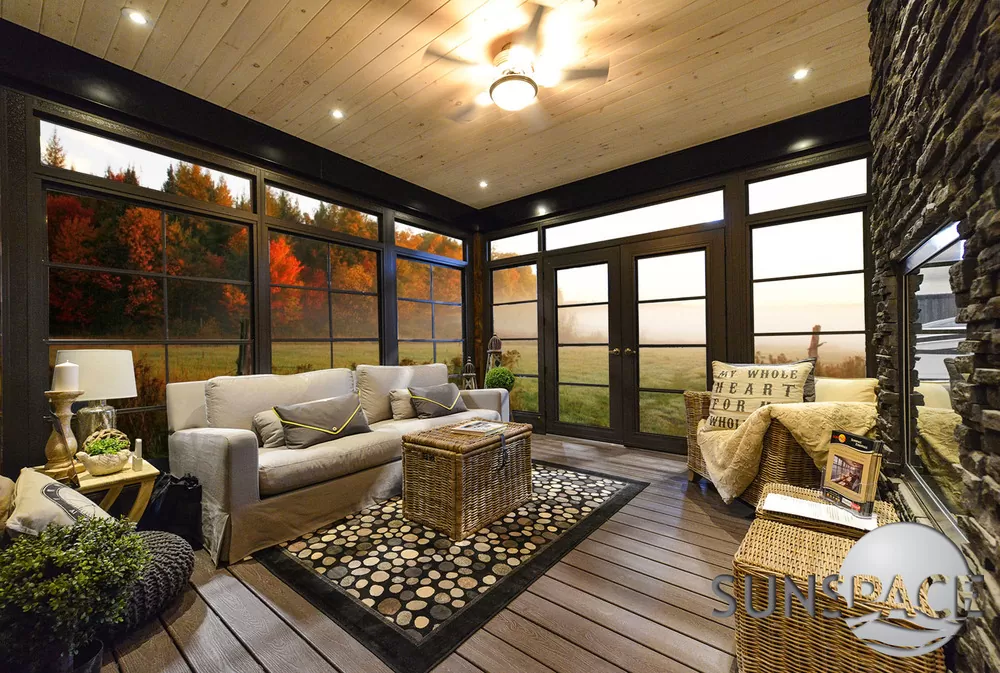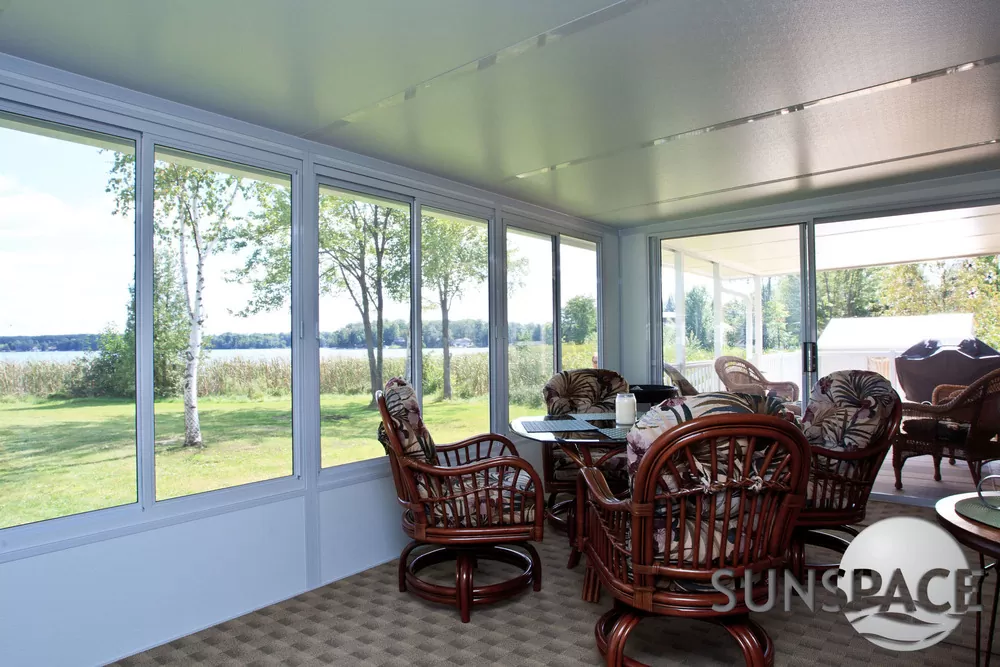
Jersey Shore homes are made for light and views, but coastal weather can make outdoor living tough. This guide explains when a sunroom is a wise investment here, which type best fits Shore living, and which building details help it hold up over time.
If you want quick clarity before you start collecting quotes, talk with a local sunroom specialist about your goals, sun exposure, and how you plan to use the space.
Quick Answer For Jersey Shore Homes
A sunroom is often worth it in coastal New Jersey if you will use it regularly and you build it for Shore conditions. Lifestyle value usually comes first, while resale value is a secondary benefit.
For many households, a three-season room hits the best balance for spring through fall use. A four-season sunroom can be worth it, too, but it typically requires higher insulation and HVAC planning to feel like the rest of the home.
What Makes Coastal New Jersey Different
Coastal homes face salt-laden air, higher humidity, and frequent weather swings. Those conditions affect comfort and can shorten the lifespan of certain materials if the room is not well planned.
So before you choose a design, focus on the factors that drive maintenance and performance near the ocean.
Salt Air And Hardware Corrosion
Salt can settle on exterior surfaces and speed up corrosion, especially on metal components and fasteners.
Even aluminum can corrode in coastal conditions, leading to pitting and surface damage as protective finishes break down.
Because of that, the small parts matter more than most people expect.
- Use corrosion-resistant hardware and finishes, then clean them regularly.
- Make frames and tracks easy to rinse, since cleaning helps remove salt deposits.
- Pay attention to rollers, locks, and fasteners, since they often wear out before larger structural parts.
Humidity, Condensation, And Airflow
High humidity increases the risk of condensation, especially where glass meets the framing and during cooler nights.
Humidity also supports mold and mildew, and repeated condensation can keep surfaces damp longer.
So ventilation is not optional. Instead, plan for controllable airflow, shade, and materials that tolerate damp days.
Wind, Rain, And Comfort
Along the Shore, wind-driven rain and fast storms are regular. If roof tie-ins, flashing, or drainage are weak, leaks and pooling can turn the room into a constant fix.
So prioritize water management details first, then pick finishes.
Three-Season Vs Four-Season Sunroom In NJ
This is the decision that usually determines whether the investment feels “worth it” long term. The right choice depends on how many months you want to use the room, how steady you want the temperature, and whether you want it to function like an indoor living space.
A three-season room is generally more budget-friendly and still comfortable for much of the year, plus operable windows can help you catch breezes.
A four-season sunroom is built for year-round use and typically requires insulation, heating, and cooling systems more closely aligned with those of a standard addition.
Here’s a simple way to choose:
- Pick three seasons if you mainly want spring, summer, and fall living, and you are OK with limited winter use.
- Pick four seasons if you want winter comfort, you plan to use it daily, or you need it as an office or living room extension.
Shore Friendly Options At A Glance
| Option | Best For | Comfort Goal | Coastal Watch Outs |
| Screen room | Bug-free outdoor feel | Warm months only | Salt and humidity can wear hardware, so plan easy cleaning |
| Three-season sunroom | Typical Shore lifestyle | Spring through fall comfort | Ventilation and condensation control matter |
| Four-season sunroom | Indoor living space | Year-round comfort | Higher build demands and cost, insulation, and HVAC planning |
Cost, Payback, And Resale Value Reality Check
Costs vary by size, structure, and finish level, but national guidance often quotes about $150 to $300 per square foot for a sunroom addition.
For ROI, Angi reports averages of about 20% for a screen room and up to about 50% for a three- or four-season room.
Local numbers can swing based on site conditions and whether you are building new or enclosing an existing space.
So the best financial framing is this. You may not recoup every dollar at resale, but you can still win if you get years of real use and your home shows better than similar listings.
Sunroom Design Choices That Matter At The Shore
A sunroom’s performance depends on comfort, moisture control, and material durability. If any one of those is weak, the room can feel too hot, too damp, or too maintenance-heavy.
Start with sun exposure. South-facing rooms get more sun and may need more cooling, while west-facing rooms can run hot on summer afternoons.
Next, plan ventilation early, since operable windows can improve comfort in three-season designs.
Also, treat coastal upkeep as part of ownership, because salt and humidity can speed corrosion and support mold and mildew without a cleaning routine.
A Simple “Worth It” Checklist
A sunroom makes sense when it matches your habits and comfort expectations. Use these questions to pressure test the idea before you commit.
- Will you use it at least three days a week for six months of the year?
- Are you okay with some temperature swing, or do you want it to feel like the rest of the house, which often points to four seasons?
- Can you handle basic cleaning to remove salt deposits and check hardware?
- Are you building for resale soon, or building for daily enjoyment, since the average ROI can be moderate?
Next Step: Get A Local Plan And Quote
If you want a clear recommendation for your home, contact Sunspace of the Jersey Shore and talk with a specialist about layout, orientation, three-season versus four-season options, and realistic costs based on how you will use the space.
We will also flag shore-specific details early, such as ventilation, corrosion-resistant hardware, and water protection, so that you can compare bids with confidence.