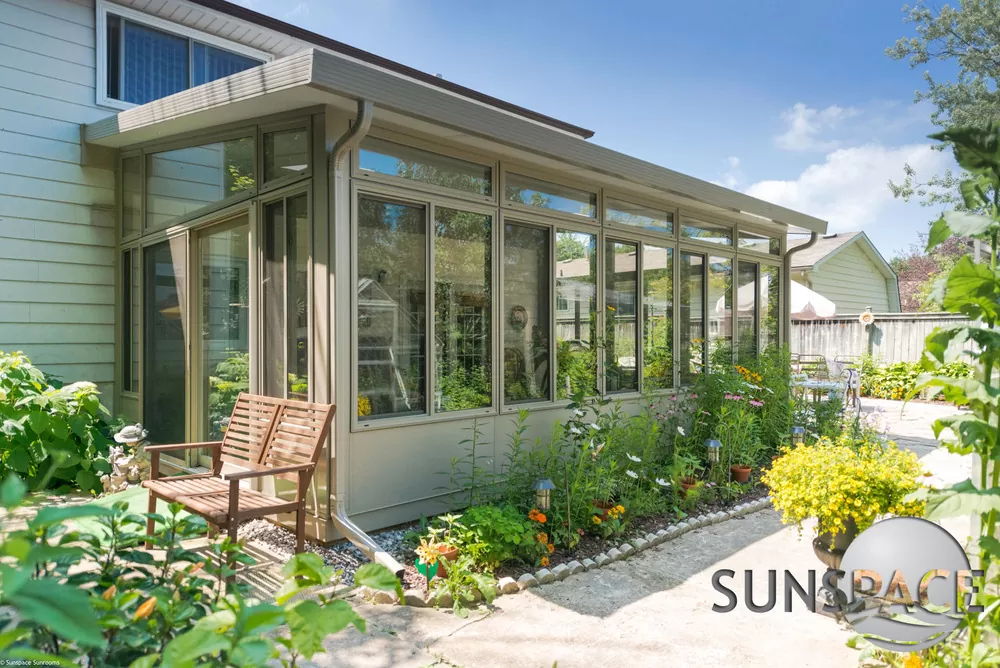
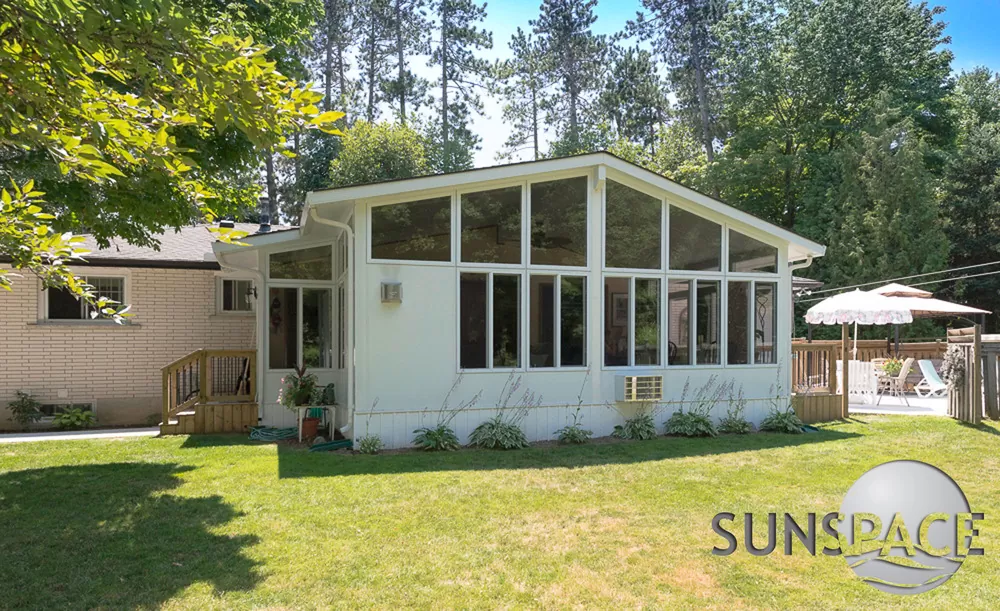
If you own a home along the Jersey Shore, you have probably looked at your backyard and asked the same question many homeowners do: Should we build a sunroom or a deck next? You want a space that feels great to use, but you also want to be smart about resale value and long-term return.
This guide compares a sunroom vs a deck in New Jersey using realistic ROI data and everyday lifestyle considerations, with a focus on how these projects perform in coastal areas. You will see typical return ranges, durability factors, and the questions Shore homeowners use to decide which option best fits their home.
If you are leaning toward an enclosed space, a local sunroom builder along the Jersey Shore can help you confirm what is realistic for your home before you commit.
Start With the Real Goal
Most homeowners are not chasing ROI alone. They want a space they will actually use.
The first question is simple: do you want more indoor style space or more open outdoor space?
A project that looks good on paper but sits unused usually delivers poor real-world value, even if the ROI percentage looks strong.
Sunroom ROI in New Jersey
Sunrooms generally fall into two categories. Three-season rooms are designed for use from spring through fall. Four-season rooms include insulation and heating or cooling support for year-round comfort. This distinction affects cost, permits, and how the space is treated in listings and appraisals.
What ROI Looks Like for Sunrooms
Sunrooms deliver a moderate return at resale. National data commonly places sunroom ROI in the range of partial cost recovery, with the most significant benefit coming from added comfort and extra usable months rather than pure resale dollars.
In coastal New Jersey, sunrooms perform best when they feel intentional, are built to local conditions, and connect naturally to the main living space. Rooms that feel drafty, overheated, or disconnected often underperform at resale.
Deck ROI in New Jersey
Decks usually cost less than enclosed rooms, so the upfront investment is lower. ROI reporting consistently shows decks returning a substantial percentage of their cost at resale.
Deck ROI Benchmarks
Zonda’s Cost vs. Value data lists a wood deck addition at roughly 83% ROI in national reporting. Angi also reports average deck ROI around 83 percent, with variation based on materials, size, and market conditions.
Because decks are simpler and less expensive to build, the return on investment often looks better than that for more complex additions.
Safety and Code Considerations for Shore Decks
Connection details matter, especially in windy coastal areas. The International Residential Code requires decks to be positively anchored to the home, with specific ledger-fastening and lateral-load requirements. These details are especially important near the coast, where wind and moisture add stress over time.
Sunroom vs Deck at a Glance
Sunrooms generally offer more extended seasonal use, especially with a four-season build, while decks shine during warm weather and calm conditions.
Sunrooms are protected from direct exposure, but roofs, flashing, and windows still need proper detailing and maintenance. Decks are fully exposed, so corrosion-resistant hardware and regular upkeep are more critical near salt air.
From a buyer’s perspective, decks score well visually in listing photos, while sunrooms appeal to buyers looking for flexible hangout space during spring and fall.
On paper, decks often win by ROI percentage. In daily life, sunrooms often win by comfort and usable months.
Local Jersey Shore Factors That Change the Numbers
Site conditions along the Shore can affect both cost and scope. Flood zones, wind exposure, and local permit requirements are standard drivers.
New Jersey construction follows the Uniform Construction Code framework, which shapes permits, inspections, and timelines. FEMA coastal guidance also highlights higher standards in coastal areas, including flood and storm-related design expectations.
Important Shore considerations include flood zone rules that may affect foundations or enclosures, wind-driven rain that increases the importance of flashing and water control, deck attachment and lateral connections for safety, and salt air that accelerates corrosion if materials are not chosen carefully.
A Simple Way to Decide
Start with the budget, then match the project to how the home is actually used most weeks.
A sunroom is often the better fit if more indoor style space is the goal, bugs or cool nights frequently cut outdoor plans short, the home is used in spring and fall as well as summer, or you want a flexible space for reading, working, or relaxing.
A deck is often the better fit if the home is mainly a warm-weather hangout, grilling and gatherings are the primary use, lower upfront cost matters most, and ongoing maintenance feels manageable.
If a space goes unused, ROI usually drops, regardless of what national reports say.
Frequently Asked Questions
Does a sunroom count as living space in New Jersey?
It depends on how the room is built and whether it is permitted. Local code requirements under New Jersey’s Uniform Construction Code play a big role in how the space is treated in appraisals.
Is a deck really a better ROI than a sunroom?
Often, yes, by percentage in national reporting. Both Zonda and Angi cite an average wood deck ROI of around 83 percent, though local results vary.
What makes decks wear out faster near the ocean?
Salt air, moisture fluctuations, and wind exposure accelerate corrosion and wear. Material choices and proper connectors are especially important along the coast.
Do flood zones affect a sunroom or a deck more?
Flood zones can affect both. Foundations, elevation, and enclosure limits may apply depending on location. FEMA coastal guidance highlights stricter expectations in higher-risk zones.
What permits are usually needed in New Jersey
Most towns follow the Uniform Construction Code process, but required permits depend on project scope and municipality.
Soft Next Step
If you are still weighing the decision, a short site review can help identify flood zone limits, attachment details, and realistic costs early. If you would like a second opinion from outdoor living professionals who work along the Jersey Shore, Jersey Shore Sunrooms is always happy to talk through your ideas and rough plans.