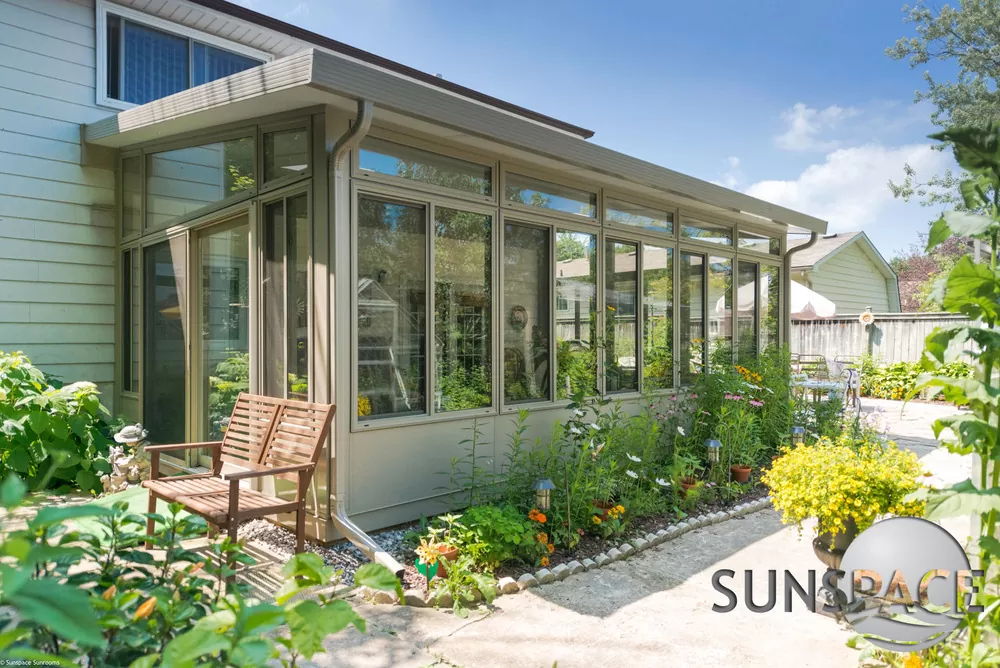
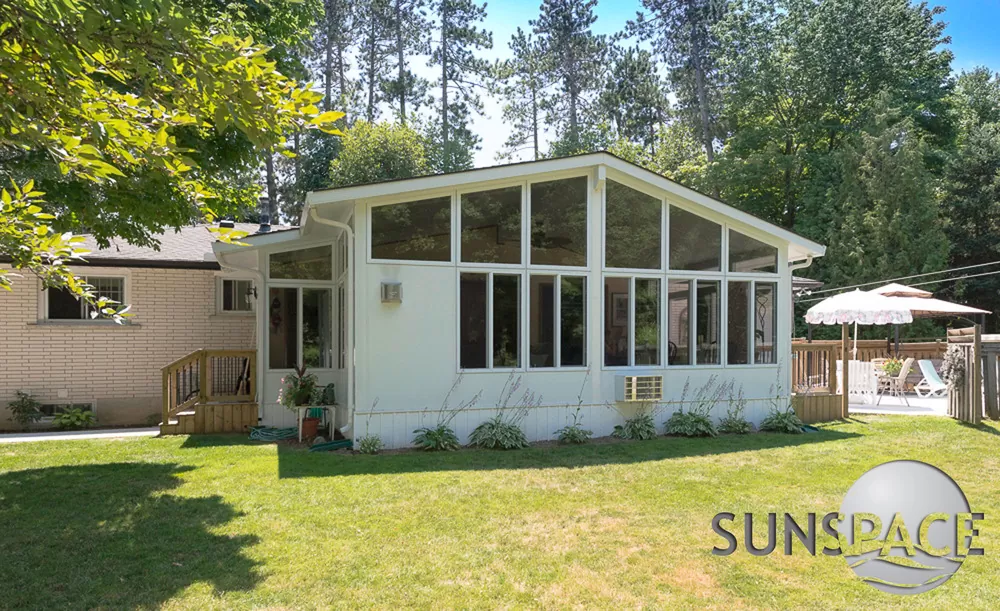
A sunroom can make a Jersey Shore home more enjoyable, but the resale payoff is usually partial. Buyers and appraisers focus less on the idea of a sunroom and more on how usable it feels, how well it is built, and whether the permits and records are clean.
This guide explains realistic ROI ranges, what helps resale in coastal New Jersey, and how to estimate a practical payback before building.
If planning is already underway, a short plan review can prevent expensive fixes later. A local sunroom installation contractor along the Jersey Shore can flag permit steps, flood zone concerns, and durability choices before work starts.
Why This Question Matters in New Jersey
Shore area homes deal with salt air, wind, humidity, and wide seasonal swings. Because of that, buyers judge additions quickly. A sunroom that feels comfortable and intentional can help a listing stand out. One that feels drafty, overheated, or temporary can work against the sale.
In New Jersey, resale value is often about reducing buyer concerns rather than chasing top dollar.
Sunroom ROI Numbers You Can Use
Many homeowners want one clean ROI number. In reality, return depends on the sunroom type, cost, and how it compares to the rest of the home.
As a national baseline, Angi reports an average sunroom ROI of about 49 percent. That often means recovering roughly half the project cost at resale. This figure is not a New Jersey guarantee, but it is a helpful starting point when resale value matters.
Local results shift up or down based on usability, build quality, and neighborhood pricing ceilings.
What Type of Sunroom Sells Best Near the Shore
For resale, the best sunroom is usually the one that works well for the most months of the year.
- Three-season sunrooms: Often a strong value play for coastal New Jersey. With proper ventilation and glazing, these rooms stay comfortable from spring through fall without the cost of full conditioning.
- Four-season sunrooms: Feel closer to interior living space and can increase buyer interest, but higher build costs can limit ROI in neighborhoods with firm price ceilings.
- Enclosed porches: A common Shore favorite. They fit the relaxed coastal lifestyle when finishes look intentional, and materials are chosen for humidity and salt exposure.
What Buyers and Appraisers Notice First
Resale value comes down to how easy the home feels to buy.
Permits and Code Compliance
Permits reduce friction during inspections and closing. Many New Jersey towns require building permits for sunrooms, and electrical work often requires a permit as well.
New Jersey’s Uniform Construction Code links local permits and inspections to statewide standards. In coastal or flood-risk areas, additional rules may apply, including requirements for coastal high-hazard zones.
Quick pre-check list:
- Township construction office requirements
- Flood zone status and coastal restrictions
- Survey and setback limits, especially near property lines or water
Does It Count as Living Space?
Many sunrooms are valued as features rather than a full living area. This matters because it affects how much value appraisers assign.
Rooms that are finished, heated, and visually consistent with the home are more likely to be treated favorably. Mismatched ceiling heights, flooring, or trim often signal “bonus space” instead of a true living area.
Comfort and Efficiency Matter More Than You Think
Shore sunrooms face glare, humid heat, wind-driven rain, and winter cold snaps. Poor glazing or weak ventilation shows up fast.
The Rutgers New Jersey Green Building Manual highlights U-factor and Solar Heat Gain Coefficient as key window performance metrics. These help control winter heat loss and summer overheating. ENERGY STAR’s climate zone finder is a practical tool for matching window performance to local conditions.
A Simple Way to Estimate Your Likely ROI
No method is perfect, but this approach is practical:
- Start with a conservative baseline ROI, such as Angi’s national average of about 49 percent.
- Then adjust based on fit and usability:
- Does the room look original to the home, inside and out?
- Is it comfortable beyond perfect weather weekends?
- Does it connect to a high-value space like the kitchen or main living area?
- Are permits closed out and easy to document?
- Is it built for coastal wear, including salt air and wind-driven rain?
- Finally, check against neighborhood pricing. If nearby homes rarely sell above a specific range, even a beautiful high-end sunroom may not sell back its full cost.
Common Mistakes That Reduce Resale Value
- Missing permits or unclear records that delay inspections or closing
- Awkward layouts that block yard access or create tight walkways
- Heat, moisture, or condensation problems
- Cheap finishes that do not match the home
- Early coastal wear, like rusted hardware or fogged glass
Frequently Asked Questions
Do sunrooms add value in New Jersey?
Often, yes, but usually not dollar-for-dollar. A commonly cited national average ROI is around 49 percent, with local results varying based on design and build quality.
Will a sunroom count as square footage on an appraisal?
Sometimes, but not always. It depends on whether the room is heated, finished, and functions like the rest of the home.
Do permits matter for resale?
Yes. Missing permits can slow inspections, affect financing, or force corrections before closing.
What if the home is in a coastal flood risk area?
Rules are often stricter in coastal high-hazard zones. These standards affect what can be built and how it must be constructed.
What makes a Shore sunroom feel comfortable?
Quality glazing, ventilation, and shading. Window metrics like U factor and Solar Heat Gain Coefficient help control heat loss and solar gain.
Where can homeowners check window guidance for New Jersey?
ENERGY STAR’s climate zone finder is a straightforward place to start.
Soft Next Step
If you want a second set of eyes from professionals who build outdoor living spaces along the Jersey Shore every week, reach out to Sunspace of The Jersey Shore. A short, low-pressure conversation can clarify what your town will expect for permits, what tends to age well near the coast, and whether the numbers make sense for resale.