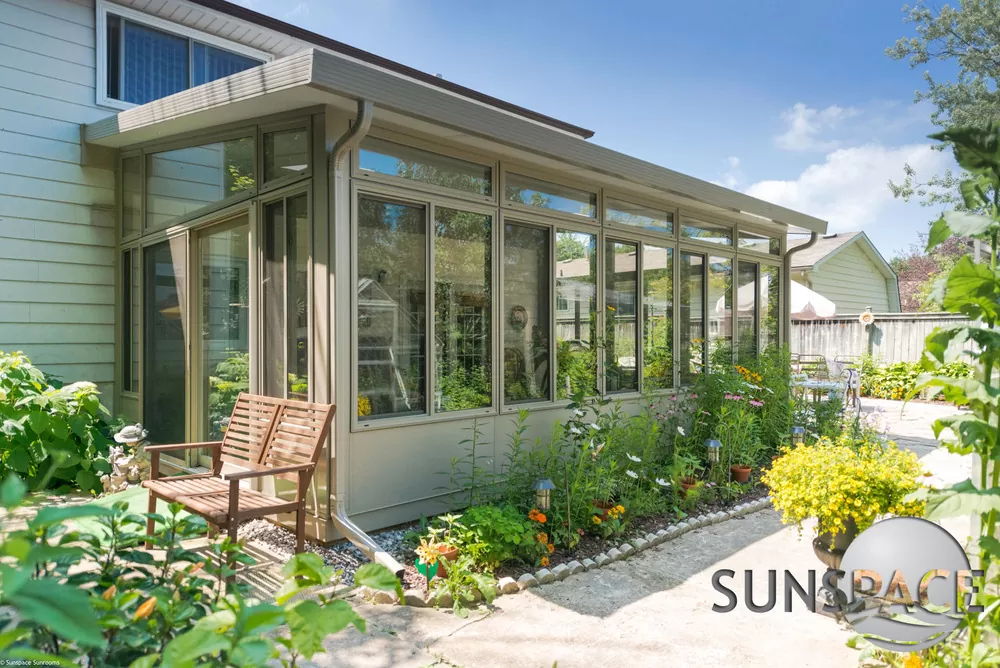
Summer at the Jersey Shore is great. However, a sunroom can get messy and uncomfortable fast. Sand piles up. Doors stick. The room heats up.
This guide keeps it simple. Follow these steps to get a cleaner, cooler space that’s ready for guests.
If repairs or upgrades are part of the plan, a sunroom installer in Jersey Shore can help spot coastal wear early and suggest fixes that fit how the space is used.
Do A Fast Summer Walkthrough First
Start with a five-minute check. It helps catch small problems early. Also, it makes cleaning faster.
Walk the room and look for:
- Doors or windows that grind or stick.
- Locks that feel stiff.
- Sand in tracks and corners.
- Ceiling or corner stains could mean a leak.
Quick “Ready For Guests” Table
Use this table to decide what to handle now. Then schedule what needs repair.
| What To Check | What Looks Good | What To Fix Before Hosting |
| Sliding door tracks | Smooth slide | Grit, bent track, loose rollers |
| Screens | Tight fit, no holes | Tears, gaps, loose frame |
| Floor area | Easy to clean | Trip edges, peeling mats, sticky spots |
| Airflow | Steady breeze | Hot corners, stale air, weak fan |
Keep Heat And Humidity Under Control
Comfort matters most in summer. Also, humidity can make a sunroom feel “sticky” even when temperatures seem fine.
In New Jersey, July mornings average about 83% relative humidity in one statewide dataset. So a sunroom can feel damp early in the day.
Rutgers reported that July 2024 averaged 77.9°F statewide. The coastal division averaged 77.7°F, so Shore areas were warm too.
So focus on three basics: shade, airflow, and moisture.
Simple Comfort Fixes
Start with these options. They keep the room bright, but more comfortable.
- Interior shades to cut late-day glare.
- A ceiling fan, or high-mounted fan, keeps air moving.
- A portable dehumidifier if cushions feel damp.
- A quick seal check to see if hot air leaks in.
Also, avoid blocking vents and returns. Good circulation helps every fix work better.
Clean Glass, Screens, And Tracks In The Right Order
A sunroom looks cleaner when the glass is clear. Also, clean screens improve airflow and keep bugs out.
Clean in this order. So dirt does not fall onto areas you have finished.
- Dry clean first. Vacuum sills, corners, and tracks.
- Wet clean next. Wipe frames, then glass, then screens.
- Finish with tracks and thresholds.
Shore Tip: Salt And Grit Wear Things Down
Salt spray and deposits are a major driver of corrosion on exterior aluminum in coastal areas. Also, salt exposure can damage finishes, and a compromised finish can lead to faster metal problems.
Sunrooms are not outdoor building facades. However, the same idea applies to tracks, fasteners, and hardware near open air.
To reduce wear:
- Rinse exterior facing surfaces with clean water as needed.
- Keep tracks free of grit, so rollers last longer.
- Avoid harsh cleaners that can damage finishes.
Set Up Seating And Traffic Flow For Hosting
A good layout prevents crowding. Also, it keeps sand and spills easier to manage.
Plan for three things: entry, pathways, and surfaces.
A simple hosting layout:
- Add a small drop zone near the entry for shoes and bags.
- Create two zones if space allows. One for chatting, one for snacks.
- Keep a clear path to the deck or yard door.
Then add practical comfort items:
- An indoor outdoor rug that can handle sand.
- Washable pillow covers.
- Side tables so drinks have a safe place.
Make Food And Drinks Easy To Manage
Keep the kitchen trips down. Also, a single serving area helps reduce spills.
Pick one corner as the service spot. Then stock it once.
A low-effort hosting station:
- Cooler or drink tub with ice.
- Trash and recycling bins in plain sight.
- Paper towels and a mild cleaner.
- A tray that can move outside if the weather improves.
Also, keep a small broom or handheld vacuum nearby. Sand is a given.
Do A Quick Safety And Storm Check
Summer weather can turn fast near the water. So do a short safety pass before guests arrive.
Check these items:
- Latches that hold during gusts.
- Screens seated tight in frames.
- Outdoor lights for after sunset.
- A dry spot for cushions if rain blows in.
Also, keep one towel by the door. It helps with wet feet and quick wipe-ups.
Know When Code And Repairs Matter
Some fixes are simple. However, some issues call for a pro.
Book a repair or inspection if:
- Panels scrape even after track cleaning.
- Fogging appears between panes.
- Soft spots show up near thresholds.
- Screens no longer fit well.
If glass or door areas are being replaced, code rules can apply. New Jersey follows the Uniform Construction Code, NJAC 5:23.
Safety glazing rules can apply near doors in some cases. For example, one New Jersey building code chapter includes glazing next to a door when the exposed edge is within a 24-inch arc of the door edge. So if a door side panel is damaged, confirm the correct safety glass requirement for that opening.
FAQs
How often should door tracks be cleaned near the beach?
Usually weekly during peak summer use. Also, clean after windy days.
What’s the fastest way to cool a sunroom?
Start with shade and airflow. Then add a dehumidifier if it still feels damp.
Does coastal salt affect sunroom hardware?
It can. Salt spray and deposits can drive corrosion on exterior aluminum. So rinsing and gentle cleaning help limit buildup.
Should screens be replaced before hosting season?
Replace them if there are holes, gaps, or loose edges. Bugs find weak spots fast.
Do I need to think about building code for sunroom door glass?
If replacing the door adjacent to the glass, yes. New Jersey uses the Uniform Construction Code, NJAC 5:23. Some rules include safety glazing near doors, such as within 24 inches in certain conditions.
Need A Quick Sunroom Readiness Review?
If the sunroom will host a lot of summer traffic, a short review can help set priorities. Reach out to Sunspace of the Jersey Shore for a friendly walkthrough and a clear list of what to fix first.